What does each treatment change about your brows?
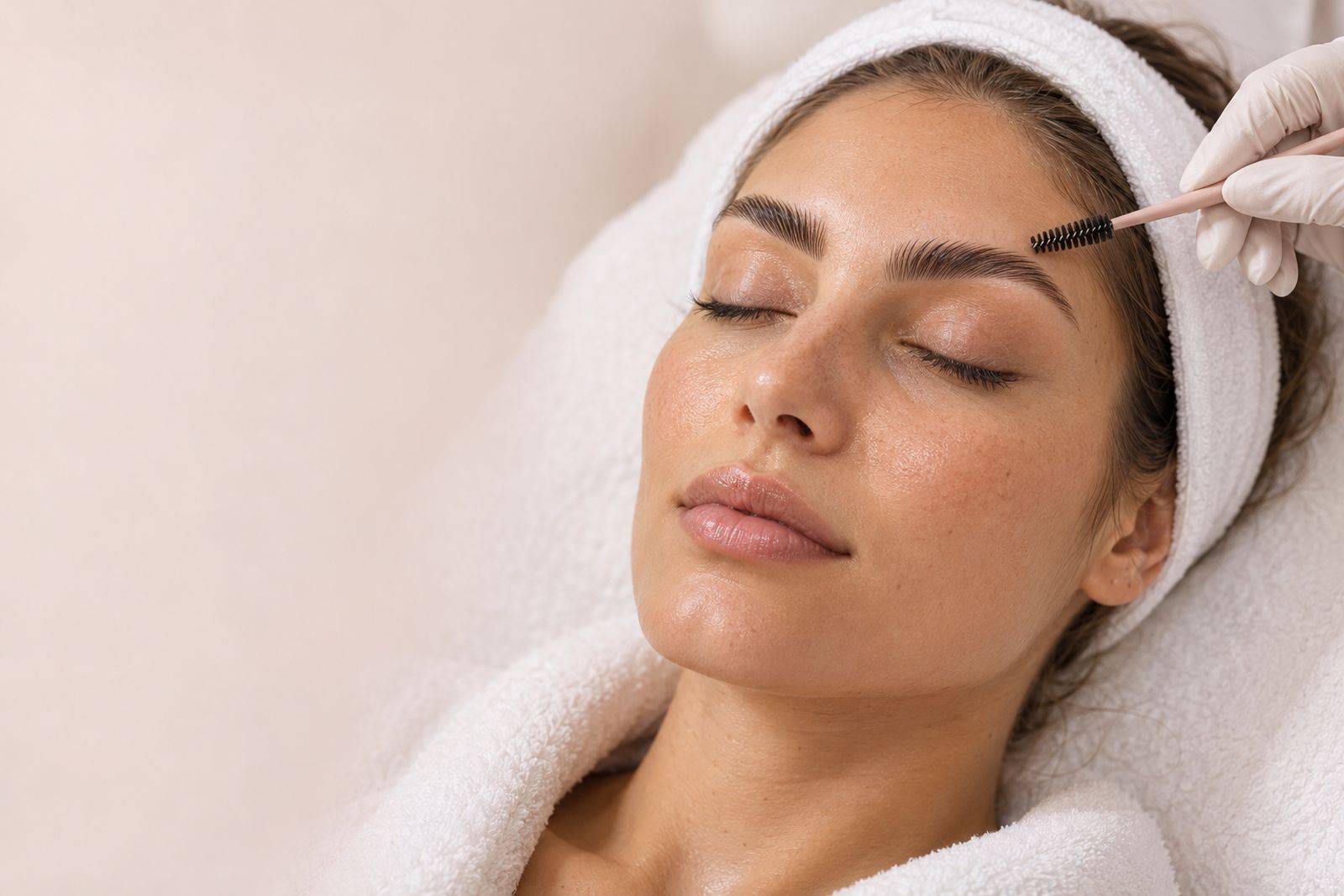
Brow lamination changes the shape and direction of your natural hairs, so the brow looks brushed up and groomed. Microblading changes the skin under the brow by adding pigment strokes that imitate hair where there is little or none.
Lamination can only work with hair that is already there. Microblading can build shape and fullness, though it needs an artist to map the brow with you first.
Who tends to suit brow lamination?
Brow lamination tends to suit people with full or unruly brows who want a neater, lifted look and are happy to repeat it every couple of months. A commitment that grows out in weeks also makes it a low-risk way to try a new shape.
Very thin, over-processed or irritated brows may not be a good fit, because the solution can leave fragile hairs drier. Sensitive skin may also need a patch test first.
Who tends to suit microblading?
Microblading tends to suit people with sparse, patchy or over-plucked brows who want definition without filling them in every morning. Normal to dry skin usually holds fine strokes best, and oily skin can blur them as they heal.
Pigment in the skin is a bigger decision than styled hair, since it fades slowly and takes effort to correct. Plan on a healing period of about four to six weeks and a follow-up visit.
Can you have both on the same brows?
Many people can have both, because one styles the hair and the other adds color to the skin underneath. Skin should be fully healed from microblading first, and chemical solution should stay off fresh pigment, so ask your artist how long to wait.
Read more on our brow lamination page and our microblading page, then bring photos of your brows to a consultation.